

Eggplant is a versatile vegetable that often receives a bad rap for its texture and taste. But did you know that this unique fruit can be transformed into 15 tasty eggplant recipes for all types of dietary preferences? Vegetarian or not, you’ll be sure to find an eggplant dish that resonates with your palate. Eggplant not only serves as a fantastic source of vitamins and antioxidants, but it can also absorb flavors beautifully, making it a favorite in various cuisines worldwide.

Ingredients List
- 1 large eggplant (preferably medium-sized)
- Olive oil (for roasting or grilling)
- Salt and pepper (to taste)
- Your choice of spices (garlic powder, smoked paprika, etc.)
- Fresh herbs (like basil or parsley for garnishing)
- Grated cheese (Parmesan or nutritional yeast for vegan options)
- Tomato sauce, tahini, or yogurt (for dips and dressings)
- Vegetable broth (for stews or soups)
- Additional veggies (like bell peppers, onions, and tomatoes)
Feel free to substitute fresh herbs with dried alternatives, and experiment with different types of cheese based on your preference or dietary requirements. You can replace standard salt with Himalayan pink salt for a more nutritious option.
Timing
When preparing these 15 tasty eggplant recipes for all, remember the following times:
- Preparation Time: 20 minutes
- Cooking Time: 35-45 minutes (depending on the recipe)
- Total Time: About 60-65 minutes, which is 20% less time than many traditional vegetable preparations, thanks to eggplant’s quick cooking nature.
Step-by-Step Instructions
Step 1: Prepare the Ingredients
Start by washing your eggplant thoroughly. Next, cut the eggplant into the desired shape, whether that be rounds, cubes, or strips. This will help it cook evenly. For less bitterness, sprinkle some salt on the eggplant pieces and let them sit for about 30 minutes. Rinse and pat dry before cooking.
Step 2: Choose Your Cooking Method
Here are a few popular methods for cooking eggplant:
- Roasting: Preheat your oven to 425°F (220°C), place eggplant pieces on a baking sheet, and drizzle with olive oil. Season with salt and pepper. Roast for 25-30 minutes until tender.
- Grilling: Brush eggplant with olive oil and grill over medium heat for 6-8 minutes on each side.
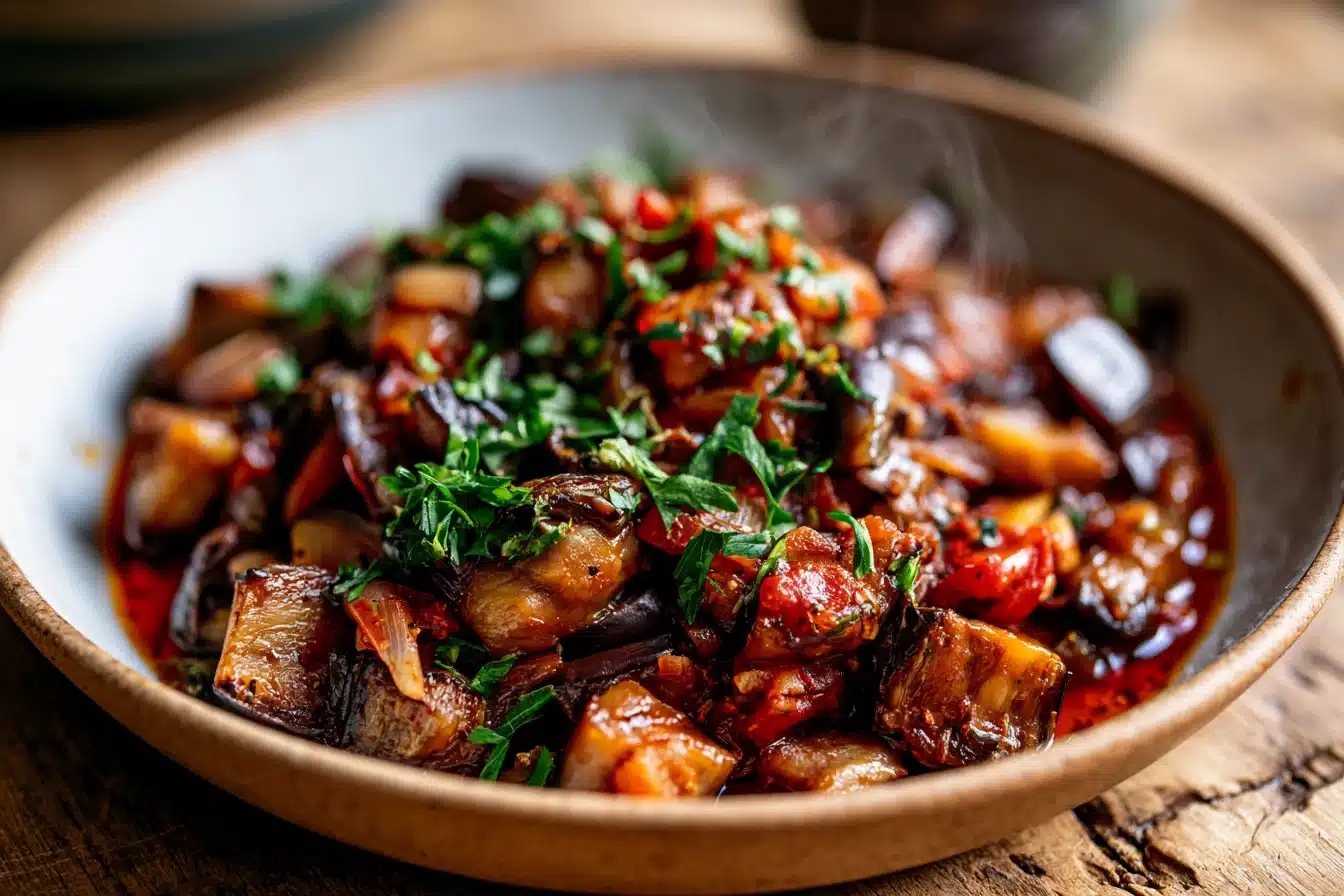
- Sautéing: Heat a skillet over medium heat, add olive oil, and sauté eggplant chunks until golden, about 8-10 minutes.
Step 3: Build the Base
Depending on your recipe choice, you might want to add things like garlic, onion, or fresh herbs before introducing the eggplant. This adds depth of flavor to your dish!
Step 4: Add Other Ingredients
Incorporate other vegetables or proteins as required by your chosen recipe. For example, you might include tomatoes for a classic ratatouille or add ground meat for an eggplant moussaka.
Step 5: Season Generously
Use spices liberally to elevate your dish. For livening up the flavors of these 15 tasty eggplant recipes for all, consider cumin, coriander, or even a dash of lemon juice for brightness!
Nutritional Information
For a typical serving of roasted eggplant topped with a tomato sauce, the nutritional breakdown is as follows:
- Calories: 150
- Protein: 4g
- Carbohydrates: 20g
- Fat: 7g
- Fiber: 8g
- Vitamins: Rich in Vitamin C, K, and B6 along with potassium and magnesium.
Healthier Alternatives for the Recipe
Looking for healthier takes on eggplant dishes? Here are some ideas:
- Gluten-free: Use almond flour or gluten-free breadcrumbs for breading eggplant slices.
- Low-carb: Instead of breaded eggplant, try thinly sliced eggplant as a lasagna layer! Skip the pasta altogether.
- Keto-friendly: Pair with cheese and herbs instead of high-carb tomato sauces.
- Vegan: Use nutritional yeast instead of Parmesan cheese for a cheesy flavor without the dairy.
Serving Suggestions
These 15 tasty eggplant recipes for all serve well with a variety of accompaniments:
- Serve with quinoa or rice for a complete meal.
- Pair with a side salad for a refreshing contrast.
- Garnish with fresh herbs like basil or cilantro for an appealing finish.
- Drizzle with tahini dressing or yogurt sauce for added richness.
Common Mistakes to Avoid
- Skipping the Salting Step: Neglecting to salt your eggplant beforehand can lead to a bitter taste. Be sure to salt and rinse!
- Overcooking: Keep an eye on cooking times; overcooked eggplant can become mushy. Aim for tender yet firm!
- Ignoring Texture: Different cuts yield different textures; consider using matchsticks for stir-fry and rounds for grilling.
- Forgetting to Preheat the Oven or Grill: Always preheat for optimal cooking!
Storing Tips for the Recipe
Here’s how to store and maintain eggplant-based dishes:
- Refrigeration: Store leftovers in an airtight container in the fridge for up to 3-5 days.
- Freezing: You can freeze cooked eggplant dishes for up to three months. Make sure to label them!
- Reheating: Use the oven or a stovetop to gently reheat for best texture; microwaving can make it spongy.
Conclusion
Eggplant can be a polarizing ingredient, but with these 15 tasty eggplant recipes for all, you’ll unlock its true potential! Each recipe showcases the versatility and flavor of eggplant, taking it from a misunderstood vegetable to a star ingredient.
Don’t hesitate to experiment with various seasonings, cooking methods, and complementary ingredients tailored to your taste. We encourage you to try these recipes and share your favorites in the comments or even on your social media to inspire others. Let’s celebrate the deliciousness of eggplant together!
FAQs
What’s the best way to cook eggplant?
Eggplant can be grilled, roasted, or sautéed. Each method brings out different flavors and textures, so you can choose based on your preferences.
How do I know if my eggplant is ripe?
A ripe eggplant should be firm, shiny, and slightly soft when pressed. It should also have a rich, dark color without any blemishes.
Can I eat the skin of an eggplant?
Yes, the skin is edible and packed with nutrients! It provides additional fiber and health benefits, so try not to peel it off.
What’s the best way to remove bitterness from eggplant?
Salting the eggplant slices and letting them drain for 30 minutes is an effective technique to remove bitterness.
Is eggplant healthy?
Absolutely! Eggplant is low in calories and loaded with vital nutrients, antioxidants, and fiber, making it a great addition to a balanced diet.
How can I use leftover eggplant?
Leftover cooked eggplant can be blended into dips, layered in sandwiches, or added to salads for extra flavor.
Are there any vegan eggplant recipes?
Yes! Many of the recipes mentioned here can be easily adapted to vegan by substituting dairy ingredients with nut-based alternatives or nutritional yeast.