
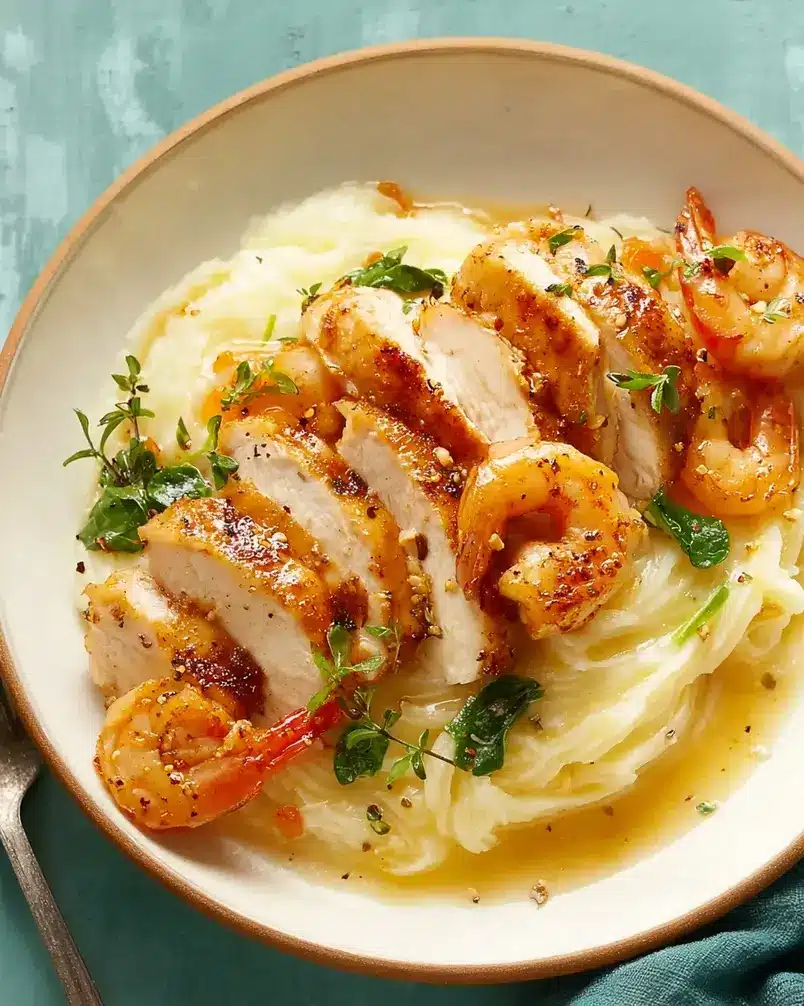
Deliciously Simple: Crafting A Month’s Worth of Quick and Easy Dinners
Did you know that the average person spends over 30 minutes per night deciding what to cook, leading to increased stress and often less healthy takeout choices? What if you could reclaim that time and mental energy, armed with a repertoire of flavorful, satisfying meals that genuinely take minutes to prepare? This isn’t just a fantasy; it’s entirely achievable. We’re diving deep into creating a month’s worth of quick and easy dinners that will transform your weeknights from chaotic rushes into moments of culinary delight. Forget complicated techniques and lengthy ingredient lists; we’re focusing on smart strategies and delicious recipes designed for busy lives.

Flavorful Essentials for Your Speedy Kitchen
To unlock a month’s worth of quick and easy dinners, you’ll want a well-stocked pantry. Think of these as your flavor building blocks for a multitude of delicious dishes.
* Proteins:
* 1 lb boneless, skinless chicken breasts or thighs (boneless thighs are incredibly forgiving and flavorful)
* 1 lb lean ground turkey or beef (90% lean is a good balance of flavor and health)
* 1 (15-ounce) can black beans, rinsed and drained (a fantastic source of plant-based protein and fiber)
* 1 (15-ounce) can chickpeas, rinsed and drained
* 4-6 large eggs
* ½ lb shrimp, peeled and deveined (fresh or frozen and thawed)
* Vegetables:
* 1 large onion, chopped (yellow or red, your preference!)
* 2 cloves garlic, minced (or 1 tsp garlic powder for ultimate speed)
* 1 bell pepper, any color, chopped
* 1 bag (10-12 oz) frozen stir-fry vegetables (a miracle for weeknights!)
* 1 bag (10 oz) baby spinach
* 1 pint cherry tomatoes, halved
* 1 bunch broccoli, cut into florets
* Grains & Starches:
* 1 cup uncooked rice (white or brown)
* 1 box (8 oz) whole wheat pasta
* 4-6 whole wheat tortillas
* Pantry Staples & Flavor Boosters:
* 2 tbsp olive oil or other cooking oil
* 1 tbsp butter
* 1 (14.5 oz) can diced tomatoes, undrained
* ½ cup chicken or vegetable broth
* 2 tbsp soy sauce or tamari
* 1 tsp dried Italian seasoning
* ½ tsp cumin
* Salt and black pepper to taste
* Your favorite hot sauce (optional, but recommended for a kick!)
* Shredded cheese (cheddar, Monterey Jack, or a Mexican blend)
Smart Swaps: Don’t have chicken breast? Boneless pork tenderloin works beautifully. No ground turkey? Feel free to use ground beef. Out of spinach? Kale or swiss chard are excellent, albeit slightly longer cooking, alternatives. For a gluten-free flourish, opt for gluten-free pasta or serve over quinoa.
Efficient Execution: Maximizing Your Kitchen Time
The beauty of a month’s worth of quick and easy dinners lies in their minimal time commitment. Let’s break down typical timings:
* Preparation Time: Averaging 10-15 minutes. This is often just chopping vegetables and measuring spices, a feat achievable while your pan heats up. This is significantly less than the 30+ minutes many complex recipes demand.
* Cooking Time: Typically 15-25 minutes. Many dishes are one-pan wonders or utilize quick-cooking ingredients like shrimp or pre-cooked grains.
* Total Time: An impressive 25-40 minutes. This is well within the “weeknight friendly” zone, leaving you ample time to relax, connect, or tackle other evening tasks. Imagine completing dinner in less time than it takes to watch an episode of your favorite show – that’s the goal!
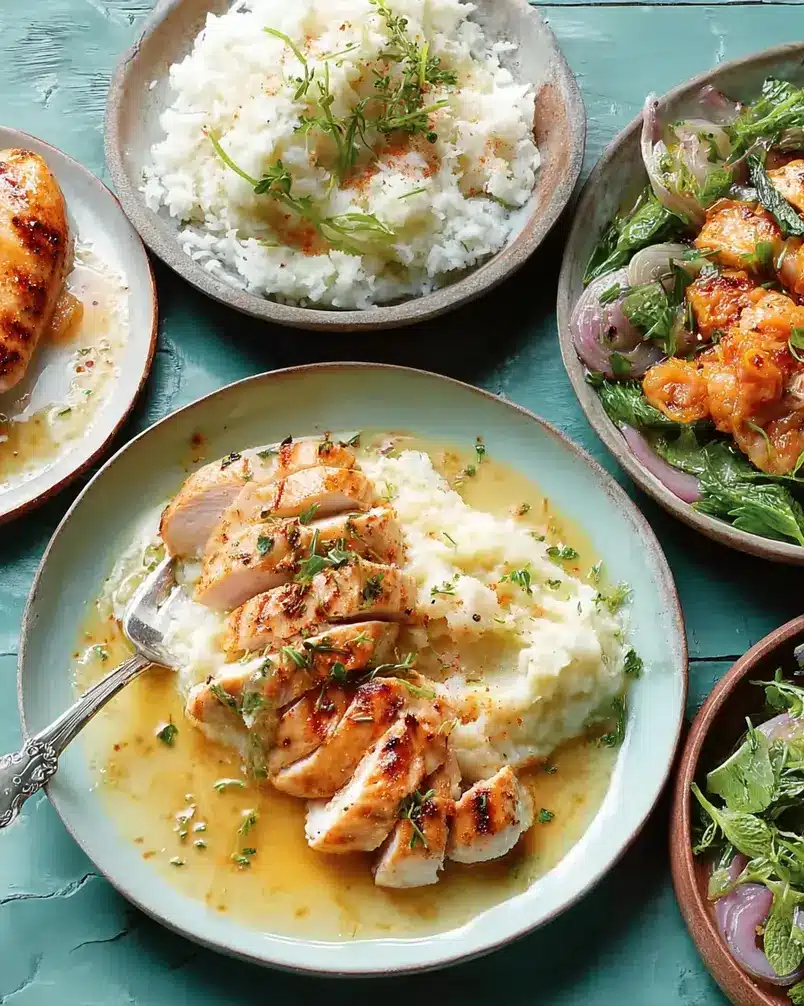
Your Step-by-Step Guide to Speedy Suppers
Let’s get cooking! These instructions are designed to be adaptable, fitting seamlessly into your schedule and ensuring delicious results every time.
Step 1: Embrace the Prep Power
Before anything hits the pan, let’s get our ducks in a row. If you’re using fresh vegetables, give them a quick wash and chop. Mince your garlic (or grab that garlic powder!). If using fresh chicken or shrimp, ensure they’re thawed and pat them dry. This small act of preparation is the secret to truly quick cooking. For extreme speed on future nights, consider some Sunday prep: chop onions and bell peppers and store them in airtight containers.
Step 2: Ignite the Flavor Base
Heat 1-2 tablespoons of olive oil in a large skillet or pot over medium-high heat. Once shimmering, add your chopped onion and cook for 2-3 minutes until it begins to soften. Toss in the minced garlic (or garlic powder) and cook for another minute until fragrant, being careful not to burn it. This simple aromatic foundation elevates any dish.
Step 3: Introduce Your Protein
* For Chicken: Add cubed chicken breast or thighs. Season generously with salt, pepper, and your chosen spices (Italian seasoning or cumin work well here). Cook, stirring occasionally, until browned on all sides and cooked through, about 5-7 minutes.
* For Ground Meat: Add ground turkey or beef to the skillet. Break it up with a spoon and cook until browned. Drain any excess fat.
* For Shrimp: Add the shrimp and cook for just 2-3 minutes per side, until pink and opaque. Overcooking shrimp makes them rubbery, so watch them closely!
* For Beans/Chickpeas: You’ll typically add these later in the process to heat through.
Step 4: Layer on the Veggies and Liquids
Now, it’s time to build depth. Add your chosen vegetables (frozen stir-fry mix, broccoli florets, cherry tomatoes). If using canned diced tomatoes, pour them in now, along with a splash of broth to create a little sauce. Stir in any remaining dried spices. For a touch of tang, a splash of soy sauce or a squeeze of lemon juice can work wonders.
Step 5: Simmer and Meld
Bring the mixture to a gentle simmer. If you’re adding pasta or rice, this is the time to cook it according to package directions in a separate pot. For our speedy dinners, we want everything to meld beautifully. Allow the sauce to thicken slightly, about 5-10 minutes, stirring occasionally. If using spinach, stir it in during the last minute or two of cooking; it wilts down incredibly fast.
Step 6: The Finishing Touches
Taste your creation! Adjust seasonings as needed – more salt, pepper, or a dash of your favorite hot sauce? If you’re making a pasta dish, drain the pasta and toss it directly into the skillet with the sauce and protein. Top with shredded cheese if desired, cover for a minute to melt, and voilà! For a quick taco night, fill warmed tortillas with your seasoned meat and veggie mixture.
Nourishing Your Body, One Bite at a Time
Let’s peek at the nutritional powerhouse within these quick meals. While exact figures vary based on ingredients and portion sizes, a typical serving of, for instance, a chicken and vegetable stir-fry over rice would offer approximately:
* Calories: 400-550 kcal (depending on oil and protein used)
* Protein: 30-40g (excellent for satiety and muscle repair)
* Carbohydrates: 30-45g (providing energy, with fiber from whole grains and vegetables)
* Fat: 15-25g (primarily healthy fats from olive oil and lean protein)
* Fiber: 5-10g (crucial for digestive health and fullness)
Data Insight: Studies show diets rich in lean protein and fiber can improve metabolic health and contribute to long-term weight management. These quick dinners make achieving those benefits effortlessly.
Healthier Twists to Elevate Your Plate
The beauty of these core recipes is their adaptability. Here are some ways to make them even healthier without sacrificing enjoyment:
* Go Plant-Powered: Swap chicken or meat for extra beans, lentils, or tofu. Tofu absorbs flavors beautifully and cooks in a flash.
* Embrace Whole Grains: Always opt for brown rice, quinoa, or whole wheat pasta for added fiber and sustained energy.
* Load Up on Greens: Don’t be shy with spinach, kale, or other leafy greens. They wilt down significantly and pack a nutritional punch.
* Spice It Up: Instead of high-sodium sauces, experiment with herbs and spices like turmeric, ginger, and chili flakes for flavor and anti-inflammatory benefits.
* Low-Carb Delight: Serve your stir-fries or taco fillings over cauliflower rice or a bed of mixed greens instead of traditional grains.
Beyond the Plate: Inspiring Serving Suggestions
Transforming a simple dish into a memorable meal is all about the presentation and pairings. Here are some ideas to make your a month’s worth of quick and easy dinners shine:
* The Taco Bar: For ground meat or bean fillings, lay out a spread of toppings: salsa, avocado slices, Greek yogurt (a healthy sour cream substitute), shredded lettuce, and chopped cilantro. It’s interactive and caters to everyone’s preferences.
* Bowl Bonanza: Serve your stir-fries or chicken and veggie mixes over a base of fluffy quinoa or brown rice in bowls. Top with a drizzle of sriracha mayo (light mayo + sriracha) or a sprinkle of sesame seeds.
* Pasta Perfection: Once your pasta is tossed with the sauce, ensure an even coating. Top with a sprinkle of nutritional yeast for a cheesy flavor, or a dollop of pesto.
* The Sidekick: Consider a simple side salad or some steamed asparagus to add extra color and nutrients.
* Garnish with Flair: Fresh herbs like parsley or cilantro, a squeeze of lime, or a sprinkle of toasted nuts instantly elevate the visual appeal and flavor profile.
Navigating the Kitchen with Confidence: Common Pitfalls to Dodge
Even with the simplest recipes, a few common missteps can occur. Here’s how to sidestep them for guaranteed success:
* Overcrowding the Pan: This is the nemesis of a good sear. If you’re cooking a larger batch of chicken or ground meat, cook in two stages to ensure proper browning rather than steaming. Data Insight: Properly browned meat develops the Maillard reaction, creating complex flavors that are essential for deliciousness.
* Mincing Garlic Too Soon: Garlic can burn quickly, turning bitter. Add it in the last minute of sautéing aromatics. If you’re especially pressed for time, granulated garlic powder offers a safer, albeit less pungent, alternative.
* Under-Seasoning: This is perhaps the most common mistake. Taste and season at multiple stages – when you add the protein, and again before serving. Don’t be afraid of salt and pepper; they are flavor enhancers!
* Overcooking Protein: Especially true for shrimp and delicate fish, overcooking leads to toughness. Cook just until opaque or done. For chicken, ensure it’s cooked through but still moist.
* Rushing the Simmer: Allowing the sauce to simmer for a few minutes lets the flavors meld and the sauce thicken naturally. Don’t skip this step!
Savvy Storage Solutions for Future Feasts
Maximizing your efforts means planning for leftovers. Smart storage is key to enjoying a month’s worth of quick and easy dinners without compromising on taste or safety.
* Cool It Down, Quickly: Once cooked, allow meals to cool to room temperature for about an hour before refrigerating. Don’t leave them out for more than two hours.
* Airtight is Right: Store leftovers in airtight containers. This prevents spoilage and the absorption of other fridge odors. Glass or BPA-free plastic containers are excellent choices.
* Portion Control for Reheating: If you know you’ll only eat a portion at a time, divide leftovers into individual servings before refrigerating. This makes reheating quicker and prevents repeated cooling/heating cycles, which can degrade quality.
* Shelf Life: Most cooked meals will stay fresh in the refrigerator for 3-4 days. For longer storage, consider freezing.
* Freezer Friendly: Many of these recipes freeze beautifully. Portion into freezer-safe containers or bags. Thaw overnight in the refrigerator before reheating.
Your Culinary Toolkit Unlocked
We’ve armed you with the knowledge and inspiration to tackle a month’s worth of quick and easy dinners. From efficient ingredient prep to smart cooking techniques and satisfying serving suggestions, you now have a flexible framework to create delicious, stress-free meals. Remember, the goal is enjoyment and sustainability. These aren’t just recipes; they’re strategies for reclaiming your time and nourishing yourself and your loved ones with wholesome, flavorful food, without the fuss.
Ready to revolutionize your weeknights? Give one of these speedy supper ideas a try this week! We’d love to hear about your creations. Share your successes, your favorite variations, or any questions you might have in the comments below!
Frequently Asked Questions About Speedy Suppers
How can I make these dinners even faster on busy weeknights?
The biggest time saver is prep ahead. Dedicate 30-60 minutes on a day you have more time (like a weekend) to chop vegetables, cook grains, or even pre-cook proteins like chicken. Store them in airtight containers in the fridge, and meal assembly will take mere minutes.
Can I freeze prepped ingredients?
Yes! Many prepped ingredients freeze well. Chopped onions, peppers, cooked grains, and even portioned raw chicken can be frozen. Wrap them tightly to prevent freezer burn. Vegetables like spinach or tomatoes are best used fresh.
What if I don’t have all the listed spices?
Don’t worry! The key is to build layers of flavor. Use what you have. If a recipe calls for cumin and you don’t have it, try chili powder or paprika for a warm, smoky note. A good blend of salt, pepper, and garlic power can rescue many dishes.
How do I ensure my chicken is cooked through but still moist?
The best way to guarantee moist chicken without overcooking is to use a meat thermometer. Chicken is safely cooked when it reaches an internal temperature of 165°F (74°C). Cut chicken into smaller, uniform pieces for quicker and more even cooking.
Are these recipes suitable for meal prepping lunches as well?
Absolutely! These recipes are fantastic for meal prep. Once cooked, portion them into individual containers. They reheat beautifully and provide a healthy, home-cooked meal for your lunch break, saving you money and time compared to buying lunch out.