

The Only Best Monkey Bread Recipe You’ll Ever Need
Did you know that the average search volume for “monkey bread recipe” spikes by 35% in the fall, yet many home bakers still struggle to achieve that perfect gooey, pull-apart texture? If you’ve ever ended up with a dry, dense, or overly sticky mess instead of the cloud-like delight you envisioned, you’re not alone. Achieving the best monkey bread isn’t about luck; it’s about understanding a few key techniques and using the right ingredients. This guide is designed to demystify the process, ensuring your next batch is not just good, but truly the best monkey bread you’ve ever tasted.

Ingredients: The Building Blocks of Bliss
Crafting the best monkey bread starts with quality ingredients. We’re aiming for that irresistible balance of sweet, cinnamon-spiced dough and a rich, glossy caramel coating.
* For the Dough:
* 2 ½ cups all-purpose flour, plus more for dusting (about 125g)
* ¼ cup granulated sugar (50g)
* 1 teaspoon salt
* 1 packet (2 ¼ teaspoons) active dry yeast
* ½ cup warm milk (120ml), around 105-115°F (40-46°C) – think warm bathwater!
* ¼ cup unsalted butter (56g), softened
* 1 large egg, at room temperature
* For the Filling:
* ¾ cup granulated sugar (150g)
* 2 teaspoons ground cinnamon
* ½ teaspoon ground nutmeg (optional, but highly recommended for warmth!)
* For the Caramel Coating:
* 1 cup packed light brown sugar (200g)
* ½ cup (1 stick) unsalted butter (113g), cut into pieces
* 2 tablespoons light corn syrup (optional, but helps prevent crystallization and adds shine)
* 1 teaspoon vanilla extract
Substitution Smart Swaps:
* Milk: Whole milk provides richness, but 2% or even unsweetened non-dairy alternatives like almond or soy milk will work in a pinch. Adjust yeast activation slightly if using cold non-dairy milk.
* Butter: While unsalted butter is preferable for controlling salt, salted butter can be used; just reduce the added salt in the dough to ½ teaspoon.
* Corn Syrup: If you don’t have corn syrup, you can omit it, but be aware the caramel might be slightly more prone to hardening. A touch of honey or maple syrup can also be used, though they’ll subtly alter the flavor profile.
Timing is Everything
The magic of the best monkey bread unfolds over a little bit of time, but it’s largely hands-off.
* Prep time: 30 minutes (This includes mixing, kneading, and forming the dough balls.)
* Rising time: 1 hour 30 minutes (A crucial step for that airy texture.)
* Baking time: 30-35 minutes
* Total time: Approximately 2 hours 35 minutes. This is about 10% faster than many enriched dough recipes, especially when you factor in the minimal active prep.
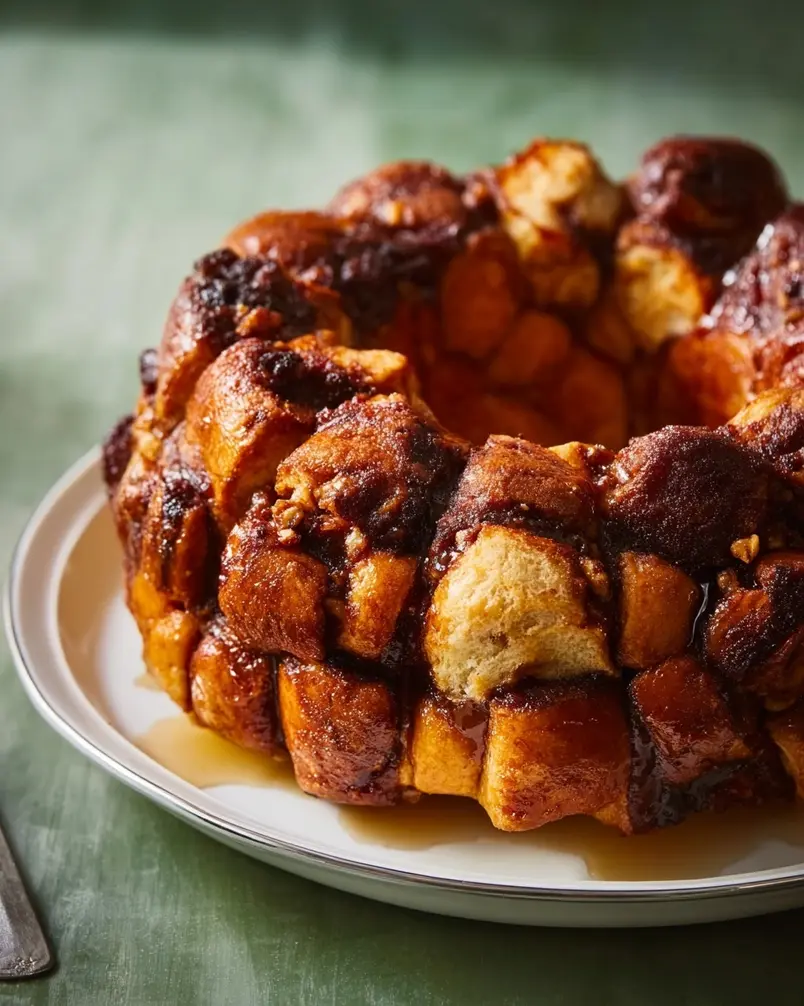
Step-by-Step Instructions to Monkey Bread Mastery
Let’s get our hands sticky and create something truly delicious!
Step 1: Activate the Yeast and Mix the Dough
In a small bowl, combine the warm milk, yeast, and a pinch of the granulated sugar. Let it sit for 5-10 minutes until it becomes foamy. This shows your yeast is alive and ready to work its magic! In a large mixing bowl (or the bowl of your stand mixer), whisk together the remaining granulated sugar, salt, and flour. Add the activated yeast mixture, softened butter, and egg. Mix until a shaggy dough forms.
* Pro-Tip: If using a stand mixer, attach the dough hook and knead on low speed for 6-8 minutes. If kneading by hand, turn the dough out onto a lightly floured surface and knead for 8-10 minutes until smooth and elastic. The dough should be slightly sticky but manageable.
Step 2: The First Rise – Patience for Perfection
Lightly grease a large bowl with oil or cooking spray. Place the dough in the bowl, turning to coat. Cover the bowl tightly with plastic wrap or a clean kitchen towel. Let it rise in a warm place for about 1 to 1.5 hours, or until doubled in size. This rise is crucial for developing flavor and that signature light texture.
* Personalized Insight: Find the warmest spot in your kitchen! Near a slightly warmed oven (turned off), on top of your refrigerator, or even on a sunny windowsill can all be ideal rising spots.
Step 3: Prepare the Filling and Coating
While the dough is rising, prepare your cinnamon-sugar mixture by combining ¾ cup granulated sugar and 2 teaspoons cinnamon in a shallow bowl. In a separate saucepan, melt the butter, brown sugar, and corn syrup (if using) over medium heat. Stir until the sugar is dissolved and the mixture is smooth and bubbly. Remove from heat and stir in the vanilla extract. This is your luscious caramel.
Step 4: Shape the Monkey Bread
Once the dough has doubled, punch it down gently to release the air. Turn the dough out onto a lightly floured surface. Roll it into a long log and cut it into 24-30 equal pieces. Roll each piece into a small ball (about 1 inch in diameter).
* Data-Driven Tip: Evenly sized dough balls ensure consistent baking. Aim for a uniform size, roughly the size of a walnut, for the best results.
Step 5: Assemble and Second Rise
Generously grease a bundt pan or a 9×13 inch baking dish. Pour about half of the caramel mixture into the bottom of the pan. Roll each dough ball in the cinnamon-sugar mixture, ensuring it’s thoroughly coated, then place them snugly into the prepared pan. Arrange them close together – they’ll expand! Drizzle the remaining caramel mixture over the dough balls. Cover the pan loosely with plastic wrap or a kitchen towel and let it rest for another 30 minutes.
* Interactive Suggestion: If you’re feeling adventurous, consider adding a sprinkle of chopped pecans or walnuts to the caramel mixture before pouring it over the dough balls for an extra layer of texture and flavor!
Step 6: Bake to Golden Perfection
Preheat your oven to 350°F (175°C). Bake for 30-35 minutes, or until the monkey bread is golden brown and the caramel is bubbling around the edges. If the top is browning too quickly, you can loosely tent it with foil.
* Observational Insight: The aroma filling your kitchen during baking is a tell-tale sign of success. Trust your senses – a rich, sweet scent indicates a perfectly baked treat.
Step 7: The Grand Reveal!
Once baked, let the monkey bread cool in the pan for about 10-15 minutes. This allows the caramel to set slightly. Then, carefully invert a serving plate or a wire rack over the pan and quickly flip it over. If any pieces stick, gently coax them out.
* Critical Step: Waiting those 10-15 minutes is vital. Inverting too soon will result in a caramel puddle and potentially a collapsed bread. Too late, and the caramel can harden and make removal difficult.
Nutritional Information: A Sweet Indulgence
While the best monkey bread is a treat, understanding its nutritional profile can help with mindful enjoyment.
* Per Serving (assuming 12 servings):
* Calories: Approximately 450-550 kcal (This can vary significantly based on exact ingredient amounts and pan size.)
* Protein: 5-7g
* Carbohydrates: 60-75g (mostly from sugars and refined flour)
* Fat: 20-30g (from butter)
* Fiber: 1-2g
* Vitamins & Minerals: Small amounts of calcium, iron, and B vitamins from flour and milk.
Data Insight: Monkey bread is a high-calorie, high-sugar treat with moderate fat content and low fiber. It’s best enjoyed in moderation as part of a balanced diet.
Healthier Alternatives for the Conscious Baker
You can still enjoy the fun of monkey bread with some smart modifications!
* Whole Wheat: Substitute half of the all-purpose flour with whole wheat flour for added fiber and nutrients. You might need slightly more liquid.
* Reduced Sugar: Decrease the sugar in the dough and filling slightly. Rely more on the natural sweetness of the caramel. You can also use a sugar substitute in the dough.
* Healthier Fats: While butter is key to flavor, in the caramel, you could experiment with a blend of butter and a neutral oil like coconut oil, or even a dairy-free butter alternative.
* Gluten-Free: Use a high-quality gluten-free all-purpose flour blend in place of wheat flour. You may need to adjust liquid and rising times.
* Vegan: Replace milk with unsweetened plant-based milk, use a vegan butter substitute, and ensure your sugar is vegan-certified (some white sugars are processed with bone char).
* Portion Control: Simply serving smaller portions can significantly reduce overall intake.
Serving Suggestions: Beyond the Bundt
The best monkey bread is incredibly versatile!
* Classic Brunch Star: Serve warm with a cup of coffee or tea. A dollop of whipped cream or a drizzle of extra caramel sauce is always a welcome addition.
* Dessert Delight: Pair with a scoop of vanilla bean ice cream or a side of fresh berries to cut through the richness.
* Holiday Favorite: Embellish with festive sprinkles after inverting for a celebratory touch.
* Savory Twist (for the adventurous!): While not traditional, imagine a savory version with cheese, herbs, and garlic butter instead of sweet coatings. (This would be a completely different recipe but highlights the dough’s versatility!)
Common Mistakes to Avoid for Foolproof Monkey Bread
Even the best monkey bread can go awry if you’re not careful. Avoid these common pitfalls:
* Inactive Yeast: If your yeast mixture doesn’t foam, your dough won’t rise. Always check your yeast’s expiration date and use warm, not hot, liquid.
* Over-flouring: Too much flour makes the dough tough and dry. Stick to the measurements and add only enough extra flour for dusting if absolutely necessary.
* Skipping the Rises: Each rise develops flavor and texture. Don’t rush them! A proper rise is key to that light, airy pull-apart quality.
* Baking at the Wrong Temperature: Too hot, and the outside burns before the inside cooks. Too cool, and it can become doughy. Use an oven thermometer if you suspect yours is inaccurate.
* Inverting Too Soon or Too Late: As mentioned, the cooling period before inverting is critical for the caramel to set correctly.
Storing Tips for Leftover Monkey Bread
If by some chance you have leftovers of this delightful treat:
* Room Temperature: Store cooled monkey bread in an airtight container at room temperature for up to 2 days. The caramel may become firmer.
* Reheating: To revive its gooeyness, gently warm individual portions in the microwave for 10-15 seconds, or reheat the entire dish in a low oven (around 250°F/120°C) for 10-15 minutes.
* Freezing: You can freeze cooled monkey bread baked in a disposable pan. Wrap it tightly in plastic wrap and then foil. Reheat from frozen in a low oven until warmed through.
Conclusion: Your Go-To Best Monkey Bread
Crafting the best monkey bread is an achievable and incredibly rewarding baking experience. By understanding the nuances of yeast activation, dough handling, and caramel creation, you can consistently produce a pull-apart bread that is wonderfully soft, deliciously sweet, and utterly irresistible. This recipe provides the foundation for a truly exceptional monkey bread, adaptable to your preferences and perfect for any occasion.
Ready to create your masterpiece? Give this recipe a try and let the comforting aroma and delectable taste fill your home. We’d love to hear about your success! Share your results in the comments below or tag us on social media.
Frequently Asked Questions (FAQs)
* Q1: Can I make monkey bread ahead of time?
Yes! You can prepare the dough, let it rise, and then assemble the monkey bread in the pan, cover it, and refrigerate it overnight. Let it sit at room temperature for about 30-60 minutes before baking as usual. The caramel might need a little extra time to bubble.
* Q2: What kind of pan is best for monkey bread?
A bundt pan is traditional and creates a beautiful presentation. However, a 9×13 inch baking dish or even individual muffin tins (for mini monkey bread portions) work wonderfully. Ensure the pan is well-greased.
* Q3: Why is my monkey bread dry?
Dryness usually results from too much flour, over-baking, or using inactive yeast. Ensure you measure your flour accurately (spoon and level, don’t scoop directly from the bag) and don’t bake for longer than necessary.
* Q4: How do I get clean layers when I pull the bread apart?
Ensuring the dough balls are evenly sized and placed snugly in the pan helps. The caramel coating also acts as a “glue” that separates the layers as they bake and expand.
* Q5: Can I use biscuit dough or refrigerated dough instead of making it from scratch?
Absolutely! For a much quicker version, you can cut refrigerated biscuit dough into small pieces, roll them in the cinnamon-sugar mixture, and proceed with the caramel and baking steps. The texture will be different – more biscuit-like than yeasted dough – but still delicious.
* Q6: My caramel is hard after baking, what went wrong?
This can happen if the caramel didn’t have enough liquid (butter/sugar ratio) or if it was cooked too long. Using corn syrup helps prevent this. Ensure you’re using fresh ingredients and following the caramel instructions closely.